Influencer Marketing for Brands: The Complete Guide (2026)
Learn how influencer marketing works, how to find and vet the right creators, campaign types, pricing, and how to measure ROI, all with Clout Buzzar.

Quick Summary
Influencer marketing connects brands with creators that are popular in their niche and trusting audience. This guide covers how the process works, the different types of campaigns, how to find and vet the right influencers, what a solid campaign brief includes, how much influencer marketing costs, how to measure whether a campaign worked and why you should choose Clout Buzzar.
An influencer marketing platform is turning from a nice-to-have experiment into one of the most important line items in a modern brand’s marketing budget. Brands in 2026 are pouring in budget at a high pace, why? Because the returns are hard to ignore.
The global influencer marketing industry was estimated at $32.55 billion in 2025, up from $24 billion in 2024. Some market forecasts push even further, projected to hit approximately $152.56 billion by 2031.
A recent industry analysis found that while 74% of consumers say they trust or somewhat trust influencer content, transparency and authentic engagement remain the biggest levers that make or break that trust: meaning influencer marketing works but only when it’s done right.
What is Influencer Marketing?
Influencer marketing is a type of digital marketing strategy where brands collaborate with creators or influencers to promote products, services or ideas to an established audience.
Basically, a brand works with someone whose content, expertise, personality or community already attracts the people the brand wants to reach. The creator then introduces the brand through formats such as Instagram Reels, YouTube videos, Stories, reviews, tutorials, livestreams or user-generated content (UGC). Influencer marketing is less of an advertisement and more like a recommendation from someone the audience already follows and trusts.
How Influencer Marketing Works
Influencer marketing acts as a bridge between a brand and a community of creators. The brand brings the product, campaign objectives and resources and the creator brings an audience, creative voice, credibility and distribution. The collaboration works when these naturally blend together rather than when a brand simply chooses the person with the largest follower count. Influencer marketing follows a simple loop:
- Set a clear goal: You need to find what you prefer, meaning awareness, sales, traffic or content. This matters in further decision making.
- Find the right partner: Brands then choose influencers based on audience, niche relevance and engagement quality.
- Make a deal: You can list the outreach, compensation and a creative brief, creators can agree on the terms while leaving room for the influencer’s authentic voice. You can pay a flat fee per post or offer free items.
- Publish and promote: The content prepared by the influencer goes live on the agreed platform where the audience is most likely to be active, sometimes boosted with paid promotion for extra reach.
- Measure & build long-term partnerships: Brands track results against the original goal and top performing partnerships often turn into ongoing collaborations.
Benefits of Why Brands Use Influencer Marketing
Comparing influencer marketing directly with traditional advertising can be misleading because the channels often serve different purposes. However, influencer marketing platforms talk to the people, through someone they already follow, relate to and trust. Here’s why:
- Builds trust faster than ads can: Usually when a creator recommends a product, it reflects as a personal opinion and not a pitch. The audiences that already have a relationship with that influencer carry the credibility that a banner ad or TV spot simply can’t replicate.
- Reaches highly specific audiences: Brands can partner with creators that are already popular for a specific segment of audience such as fitness, parenting, gaming, skincare, personal finance and so on. That precision cuts down on wasted impressions.
- Produces content brands can reuse: A single collaboration can result in photos and videos that brands can repurpose across their own website, ads and social media platforms. This provides them a stream of authentic content without running an in-house shoot every time.
- Drives real purchase decisions: Product demos, tutorials, unboxing videos, and honest reviews can lead potential customers right up to the decision to buy something static ads struggle to do.
- Flexible across budgets and business sizes: Smaller businesses can run effective campaigns at a fraction of the cost by working with micro and nano creators. This allows brands to not limit themselves to expensive endorsements and they often have even stronger engagement than mega influencers deliver.
- Adapts to how people actually consume content today: Audiences discover products through short videos (reels/ shorts) and social platforms instead of search engines or traditional media. This way, influencer marketing meets consumers exactly where their attention already is.
Types of Influencer Marketing Campaigns
There is no specific strategy or format that works for every business. You can strategize considering your audience, objectives and budget. The right campaign type should follow the business goals, whether it's awareness or prioritizing reach and audience relevance. Here are the most common types brands run:
📌 Sponsored Posts
When a brand pays a creator to post content featuring their product or service on their own channel, ideal for quick visibility across Instagram, YouTube.
🌱 Product Seeding
Brands ship free products to influencers with no formal payment involved in exchange for organic, authentic content recommendations.
⭐ Brand Ambassador Programs
Brands build ongoing partnerships with an influencer who represents the brand over an extended period, integrated with the brand identity.
🎁 Giveaways & Contests
Host giveaways where followers like, tag friends, or follow brand social accounts to boost engagement and audience growth quickly.
🎬 UGC Campaigns
Commission creators to produce high quality video/photo content for use across brand ads, website, or social media separate from creator feeds.
🎟️ Event-Based Collaboration
Invite influencers to brand events, product launches, or store openings to document real-time buzz and behind-the-scenes content.
📹 Reviews & Tutorials
In-depth YouTube reviews or tutorials for high-consideration purchases where audiences want detailed information before buying.
🤝 Co-Created Products
Brands and influencers collaborate to design and launch a limited-edition product or collection leveraging creator personal brand power.
How to Find and Vet Influencers on Clout Buzzar
On Clout Buzzar, you can find the right influencer, skipping the guesswork with a structured discovery and vetting process. Here’s how it works:
Search the Marketplace with Real Filters
Once in your Brand Portal, browse the creator marketplace using filters like platform, niche, keywords, budget, engagement rate, location, language, verified status, or follower count.
Review a Full Influencer Profile
View professional details, content focus, audience breakdown, portfolio, gallery, past brand collaborations, and real-time availability on one screen.
Save & Shortlist Creators
Bookmark promising creators using "Saved Creators" to maintain an organized shortlist for upcoming campaigns.
Compare Creators Side by Side
Compare creator profiles side by side looking at engagement rates, audience demographics, pricing, content style, and past results.
Move Straight to a Booking
Request proposals or book directly on the platform with built-in chat, transparent pricing, and clear availability.
What Should a Campaign Brief Include?
A campaign brief is a short roadmap outlining project goals, objectives, key messages, channels, budget, timelines, and guidelines. Here is what a well-structured brief includes:
- Campaign Basic Information: Campaign title, objective (awareness, sales, launch, UGC), brand name, product/service, industry.
- Promotion Requirements: Content format required (Instagram Reels/Story, Feed Post, YouTube Video/Shorts, UGC, live session, event coverage).
- Campaign Details: Exact deliverables, number of posts/stories, content guidelines, brand tone, dos & don'ts.
- Target Audience: Demographics, country, city, age group, gender, language to verify audience match.
- Budget: Expected budget, whether fixed or flexible, allowing creators to tailor proposals.
- Timeline: Campaign start date, content delivery deadline, and intended publishing schedule.
- Reference Materials: Product images, videos, brand logos, visual guidelines, reference content, or moodboards.
- Additional Notes: Special instructions, compliance guidelines, or context for creator partnerships.
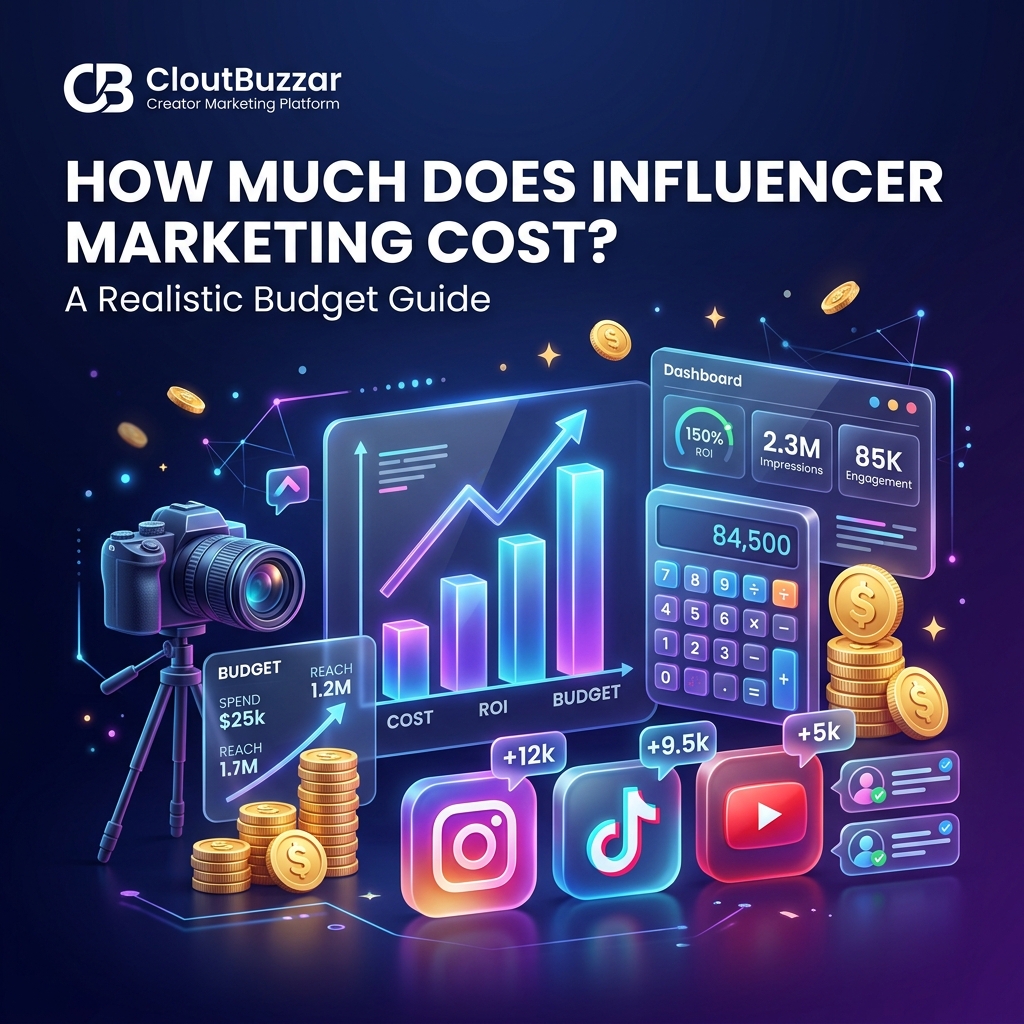
How Much Does Influencer Marketing Cost?
There is no fixed price tag on influencer marketing. Rates depend on follower count, platform, content format, niche, and usage rights. Key pricing drivers include:
- • Pricing by Influencer Tier: Nano (1k-10k), Micro (10k-100k), Mid-Tier/Macro (100k-1M), and Mega/Celebrity (1M+).
- • Platform: Dedicated YouTube video integrations, Reels cost more than single static posts.
- • Content Format: Simple story mentions cost far less than dedicated review videos or full UGC packages.
- • Niche: Finance, tech, and B2B command premium rates due to specialized expertise.
- • Usage Rights: Repurposing creator content in paid performance ads adds a licensing fee.
- • Exclusivity: Category non-compete clauses or multi-post deals raise overall investment.
How to Measure Influencer Marketing Results
Running a campaign is only half the job; measuring performance is what separates high-growth brands. Key evaluation metrics include:
Influencer Marketing FAQ
What is influencer marketing?
Influencer marketing is a marketing approach that connects brands with content creators to promote products to their audience. Influencer marketing is less of an advertisement and more like a recommendation from someone the audience already follows and trusts.
How do brands choose the right influencer?
Brands look at niche fit, audience demographics, engagement rate and past collaborations. Clout Buzzar makes this simple with built-in filters and detailed creator profiles, allowing side-by-side comparison before booking.
Which is the best influencer marketing platform for small businesses?
Clout Buzzar is the top influencer marketing platform for all types of businesses from small to enterprise-level organizations. It offers affordable, easy-to-use options and connects you directly with relevant creators.
List the best platforms for finding micro-influencers?
Influencer marketplaces are the fastest way to find influencers. Clout Buzzar offers a searchable marketplace built for discovering the right micro-influencers quickly.
Where to find micro-influencers for beauty products?
Find micro influencers in various niches on Clout Buzzar. Select the beauty or lifestyle category, browse creators, evaluate engagement, request proposals, and collaborate seamlessly on the dashboard.
Conclusion
Influencer marketing is one of the most direct ways to reach an audience that already trusts the voice delivering the message. As this guide laid out, it takes more than picking a popular influencer and hoping for the best.
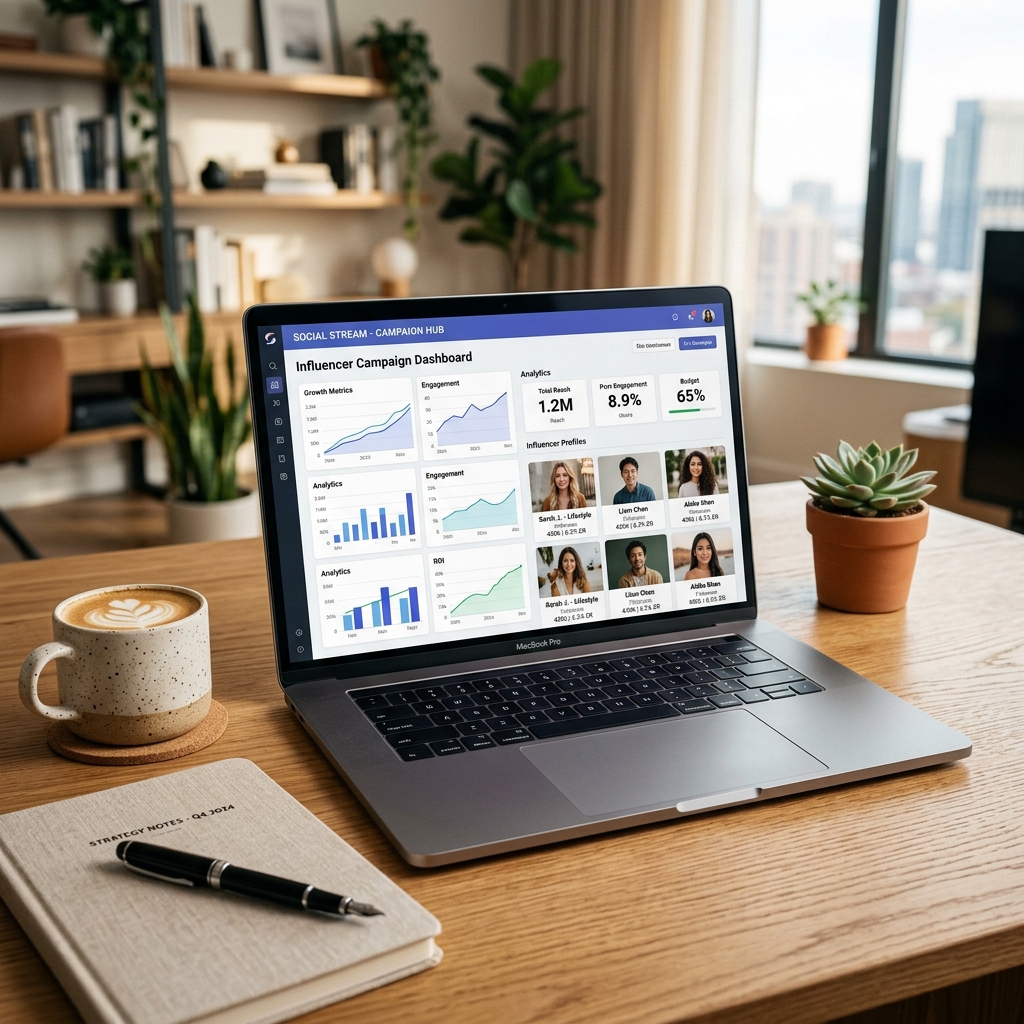
Clout Buzzar has made this influencer marketing process smooth, easy and organized. From finding and vetting the right creators to sending campaign proposals, tracking bookings, reviewing performance, approving or requesting revisions if needed, the entire workflow lives in one place.
No matter your stage, whether you're starting with the first influencer campaign or scaling a program that already works, Clout Buzzar gives you the tools to explore, save, compare, and collaborate with confidence.